On anger, visibility, and responsibility in the digital world
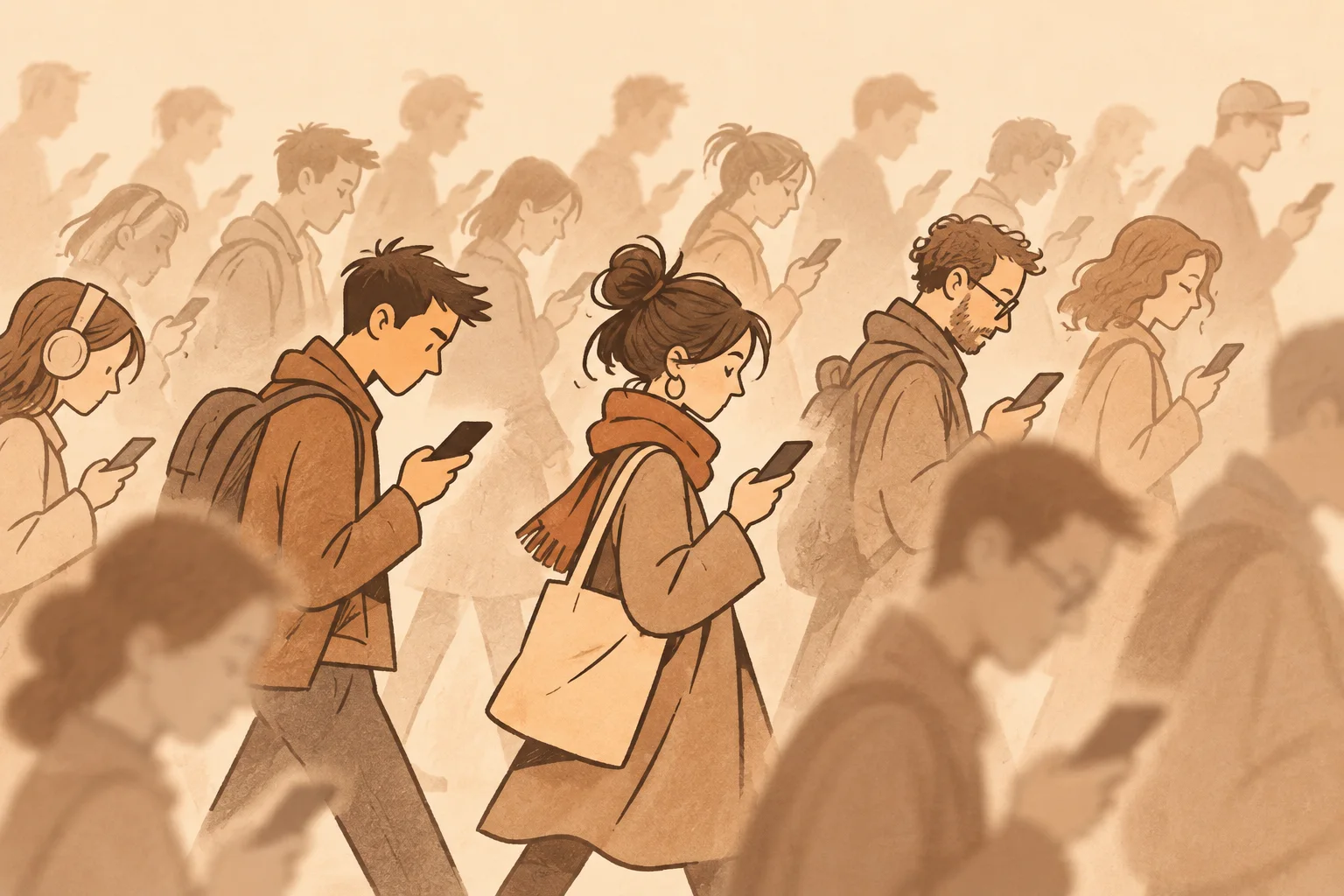
We see a news story. Sometimes it is an injustice done to a child, sometimes violence against an animal, and sometimes an unfairness that concerns all of us. It is almost impossible not to encounter such things on social media. When we do, we become angry. We write a few sentences, share a post, and want others to see it too. Then we put down our phones and return to our daily lives.
But what did we actually do at that moment?
Did we stand against an injustice, draw attention to an important issue, or simply feel a little better after expressing our reaction?
It would not be fair to say that reacting on social media is worthless. Yet we also cannot ignore that it is not enough on its own. Sometimes a single post can bring attention to a problem that has long been overlooked. Still, there is an important distinction here: Making an issue visible does not mean that the issue has been solved.
Why does anger spread so easily?
Anger is not always a harmful emotion. As I also emphasize in my positive psychology classes, even emotions we find unpleasant can serve important functions. Anger, for example, may arise when we believe that a principle we value has been violated. The anger we feel in the face of injustice also shows us what matters to us.
Social media makes expressing this emotion remarkably easy. Within seconds, we can reach hundreds of people, see other people's reactions, and feel that we are part of a shared emotion.
Moreover, on social media we do not merely say what we think. In a sense, we also show what kind of person we are. We may even use social media as a tool for moving closer to the person we want to be—our ideal self. What we oppose, the issues on which we remain silent, and the things we care about all become part of our digital identity.
A post can therefore serve two different purposes: drawing attention to a problem and showing where we stand in relation to it.
These two purposes do not have to exclude one another. The problem begins not with the reaction itself, but when we start to regard reacting as sufficient.
What changes as the likes multiply?
We usually assess the success of a social media post through numbers. How many people liked it? How many times was it shared? How many comments did it receive?
But do these figures show that people actually took action?
A study by Leach and colleagues (2026), which examined approximately 1.29 million social media posts, offers thought-provoking findings on this question. Expressions of moral outrage were associated with more likes and reposts, but they did not show the same direct relationship with the number of signatures collected by campaigns. At the same time, outrage could be indirectly associated with signature counts through the wider circulation of posts.
In other words, greater attention to an issue may not mean that people are making a greater effort to address it.
Visibility is not unimportant, of course. Bringing a problem into public discussion can be the beginning of change. But we should not confuse the beginning with the outcome.
The same distinction applies to corporate social responsibility campaigns. An environmental campaign that reaches millions of people may be successful in communication terms. Yet understanding how much it actually contributes to the environment requires looking beyond reach figures.
Why can reacting sometimes feel sufficient?
Perhaps this is the most interesting part of the issue.
When we share a post, we are not only sending a message to others. We are also telling ourselves something: I did not remain silent in the face of this event.
That thought can provide relief, because most of us want to see ourselves as people who act consistently with our values. If we care about justice, we do not want to remain indifferent to injustice.
Yet expressing a value and acting in accordance with that value are not always the same thing.
My intention here is not to question everyone's sincerity. Still, I do not think it is wrong to ask whether some reactions stem from a genuine desire to solve a problem or merely from a desire to present a certain image to others. Everyone's time, opportunities, and capacity to act are different. Sometimes sharing information truly may be the most meaningful thing a person can do.
Even so, we can ask ourselves this question: Does our relationship with an issue continue after we share it?
Sharing a post about educational inequality, for example, may be important. But supporting an organization working on the issue, taking part in volunteer activities, or following efforts aimed at solving the problem represents a different level of responsibility.
Sometimes sharing is the beginning of a longer process. At other times, it becomes the end of that process.
What remains after our anger fades?
None of this means that we should not feel angry on social media. Anger can move people to act and bring ignored problems into public discussion.
But how widely anger spreads and how much change it creates are not the same thing.
Social change does not always occur through large and highly visible actions, either. Sometimes verifying a piece of information, supporting an initiative, or continuing to follow an issue after it has disappeared from the agenda can be far more meaningful.
Perhaps, when evaluating our behavior on social media, we should ask not only how strongly we reacted but also what we did after that reaction.
Social media gives us the opportunity to show what we feel. The answer to what we do, however, is often found beyond the screen.
In the face of injustice, perhaps the real question is not how angry we become, but what we do about that injustice after our anger fades.
Share this article
References
- Leach, S., Formanowicz, M., Nikadon, J., & Cichocka, A. (2026). Moral outrage predicts the virality of petitions for change on social media, but not the number of signatures they receive. Social Psychological and Personality Science, 17(2), 194–203. https://doi.org/10.1177/19485506251335373